

Farm Fencing Solutions Alberta: Choosing the Right Fence for Your Property
When it comes to securing and defining your property in Central Alberta, selecting the right farm fencing solution is essential. Fences serve many purposes - from keeping livestock safe to marking boundaries and enhancing the overall look of your land. With the variety of options available, it can be challenging to decide which type of fence best suits your needs. In this post, I will walk you through the most common farm fencing options in Alberta, their benefits, and practical tips to help you make an informed decision.
Understanding Farm Fencing Solutions Alberta
Farm fencing solutions in Alberta must withstand the region’s unique climate and terrain. Winters can be harsh, with heavy snow and freezing temperatures, while summers bring dry conditions and occasional storms. This means your fence needs to be durable, low-maintenance, and effective for your specific use.
Some of the most popular fencing types include:
Barbed wire fencing: A traditional choice for many farms, barbed wire is cost-effective and good for containing cattle and other livestock.
Woven wire fencing: Offers more security and is ideal for smaller animals like sheep or goats.
Electric fencing: Provides a psychological barrier for animals and is flexible for temporary or rotational grazing.
Wood fencing: Adds aesthetic value and is often used for horse paddocks or property boundaries.
Chain link fencing: Durable and secure, suitable for areas requiring extra protection.
Each option has its strengths and weaknesses, so it’s important to consider your specific needs, budget, and the type of animals you are managing.

Key Factors to Consider When Choosing Farm Fencing in Alberta
Before installing a fence, think about these critical factors:
1. Purpose of the Fence
Are you fencing to keep livestock in, keep predators out, or simply mark your property line? For example, barbed wire is excellent for cattle but less effective for smaller animals. Electric fencing can be used to control animal movement without physical barriers.
2. Type of Livestock
Different animals require different fencing. Horses need smooth fencing to avoid injury, while sheep require tighter mesh to prevent escape. Knowing your livestock’s behavior and size will guide your choice.
3. Terrain and Soil Conditions
Alberta’s landscape varies from flat plains to rolling hills. Rocky or uneven ground may require specialized posts or installation techniques. Soil type affects post durability and fence stability.
4. Maintenance and Longevity
Some fences require regular upkeep, such as tightening wires or replacing damaged sections. Others, like vinyl or treated wood, may last longer with minimal care. Consider how much time and effort you can dedicate to maintenance.
5. Budget
Costs vary widely depending on materials and installation complexity. Barbed wire is generally the most affordable, while wood and electric fencing can be more expensive upfront but may offer better long-term value.
Popular Farm Fencing Options in Alberta
Barbed Wire Fencing
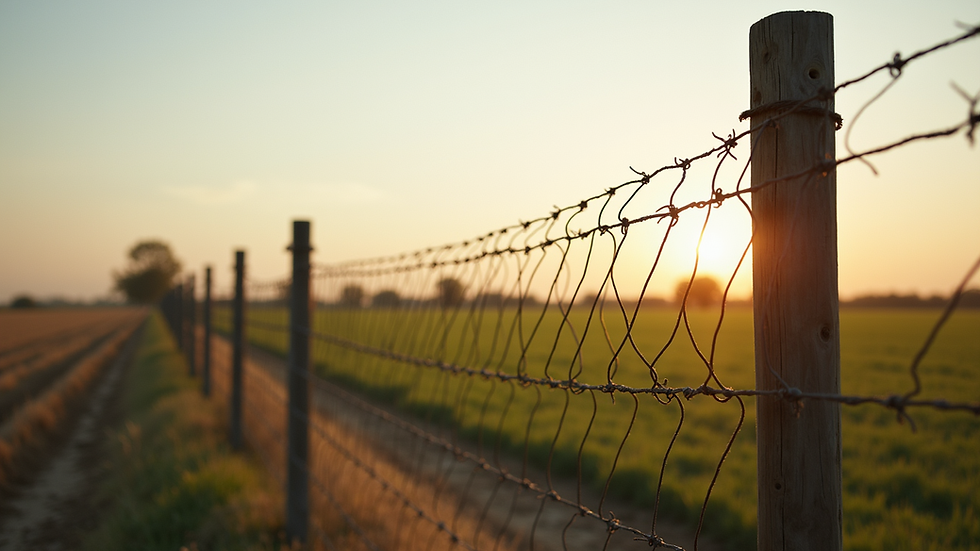
Barbed wire fencing remains a staple for many Alberta farms. It is made of twisted wire strands with sharp barbs spaced evenly. This type of fence is effective for containing cattle and horses and deterring large predators.
Advantages:
Low cost and easy to install
Durable in harsh weather conditions
Requires minimal maintenance
Disadvantages:
Can cause injury to animals if not properly maintained
Less effective for smaller animals like sheep or goats
Woven Wire Fencing
Woven wire fencing consists of horizontal and vertical wires woven together to create a mesh. It is ideal for containing smaller livestock and preventing predators from entering.
Advantages:
Provides a secure barrier for small animals
Can be combined with barbed wire for added protection
Long-lasting and sturdy
Disadvantages:
More expensive than barbed wire
Installation can be labor-intensive
Electric Fencing
Electric fences deliver a mild shock to animals that touch the wire, discouraging them from crossing. This type of fencing is flexible and can be moved or adjusted as needed.
Advantages:
Cost-effective and easy to install
Ideal for rotational grazing systems
Minimal physical barrier, preserving landscape views
Disadvantages:
Requires a power source and regular checks
Not suitable as the sole fence for aggressive animals

Wood Fencing
Wood fences are often used for horse paddocks or to enhance property aesthetics. They provide a solid physical barrier and can be customized in height and style.
Advantages:
Visually appealing and customizable
Safe for horses and other animals
Durable when properly treated
Disadvantages:
Higher initial cost and maintenance
Susceptible to weather damage and rot without care
Chain Link Fencing
Chain link fences are strong and secure, making them suitable for areas where extra protection is needed, such as around equipment yards or gardens.
Advantages:
Long-lasting and low maintenance
Provides clear visibility while securing the area
Resistant to weather and pests
Disadvantages:
Less attractive for large pasture areas
Can be expensive to install over large distances
Installation Tips for Farm Fencing in Alberta
Proper installation is key to ensuring your fence performs well over time. Here are some tips to keep in mind:
Plan your layout carefully - Mark property lines and fence routes before starting.
Use quality materials - Invest in durable posts, wire, and fasteners suited for Alberta’s climate.
Set posts deep and secure - Posts should be buried at least 3 feet to withstand wind and snow pressure.
Maintain tension - Keep wires tight to prevent sagging and animal escape.
Regular inspections - Check fences seasonally for damage or wear and repair promptly.
If you prefer a professional touch, consider hiring experienced installers who understand local conditions and regulations.
Supporting DIY Farm Fencing Projects
For those who enjoy hands-on work, building your own fence can be rewarding and cost-saving. Here are some practical recommendations:
Start small - Begin with a manageable section to gain experience.
Gather the right tools - Post drivers, wire stretchers, pliers, and safety gear are essential.
Follow safety guidelines - Wear gloves and eye protection, especially when handling wire.
Consult local resources - Many suppliers and fencing companies in Central Alberta offer advice and materials for DIY projects.
By preparing well and taking your time, you can create a reliable fence that meets your farm’s needs.
Why Choose RAM Fencing for Your Farm Fencing Needs?
When it comes to farm fencing alberta, RAM Fencing Central Alberta stands out for quality and customer satisfaction. They offer a wide range of fencing solutions tailored to local conditions. Whether you need professional installation or materials for a DIY project, RAM Fencing provides expert guidance and dependable products.
Their commitment to excellence ensures your fence will last and perform well, giving you peace of mind. Choosing a trusted local company means you get personalized service and support throughout your fencing project.
Selecting the right farm fencing solution in Alberta requires careful consideration of your property, livestock, and budget. By understanding the options and following best practices, you can protect your land effectively and enhance its value. Whether you opt for barbed wire, woven wire, electric, wood, or chain link fencing, the key is to choose a solution that fits your unique needs and withstands Alberta’s climate.
For more information on farm fencing alberta, visit RAM Fencing Central Alberta to explore their services and products. Your farm deserves the best fence to keep it safe and secure.


Comments